
The Future of Home Solar Panels: A Bright and Sustainable Outlook.
Discover premium solar solutions tailored to meet your energy needs.
The Future of Home Solar Panels: A Bright and Sustainable Outlook.
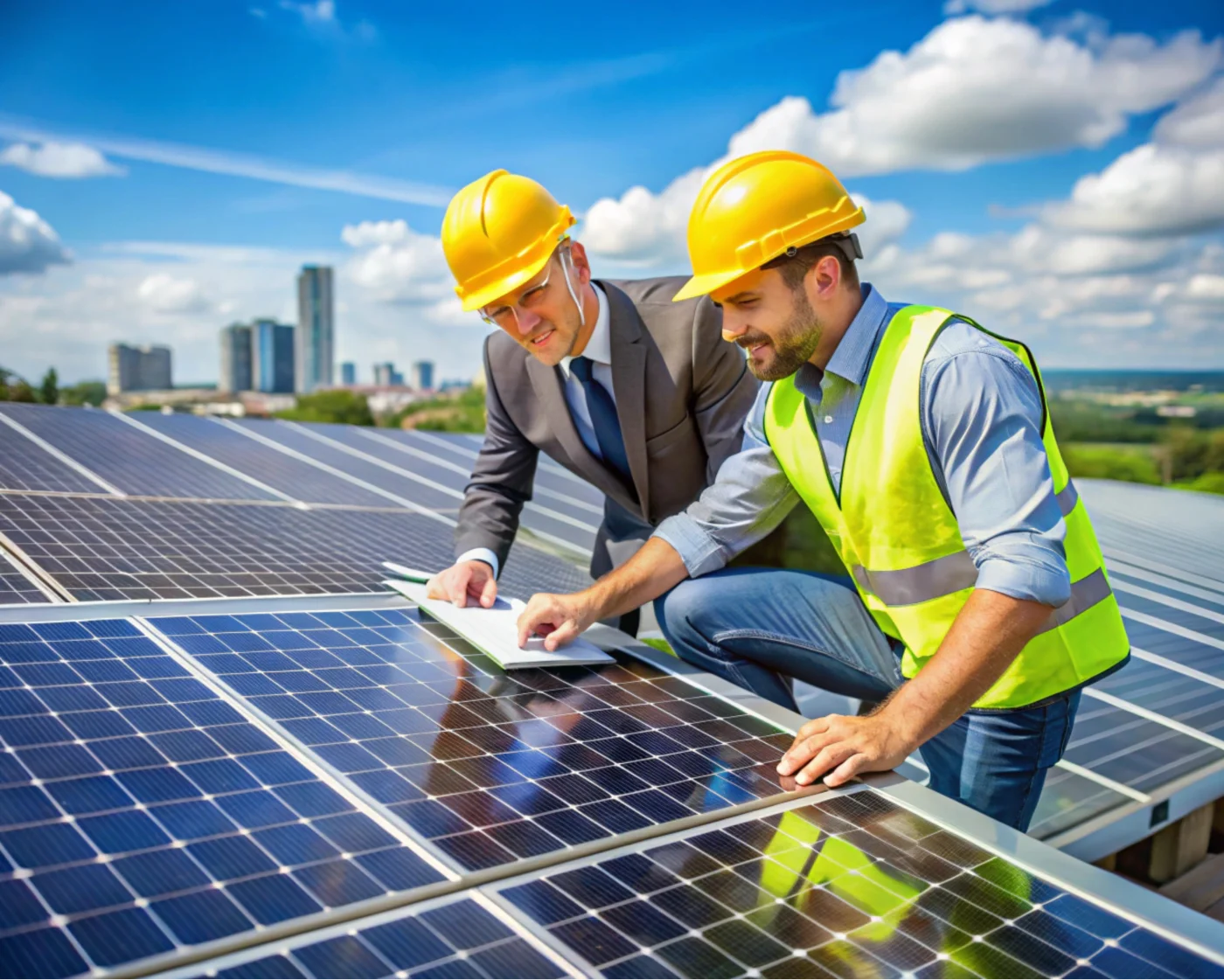
As we move further into the 21st century, the need for clean, sustainable energy has never been more pressing. With the growing concerns about climate change and the environmental impact of traditional energy sources, solar energy has emerged as one of the most promising solutions for a greener future. Home solar panels, in particular, have been gaining popularity as they offer an eco-friendly alternative to conventional power sources, reduce energy bills, and increase the value of properties. But what does the future hold for home solar panels? Let’s explore the exciting developments and innovations shaping the next generation of solar technology.
1. Improved Efficiency with Advanced Materials
The efficiency of solar panels has steadily increased over the years, and this trend is expected to continue in the future. Researchers are working on advanced materials such as perovskite solar cells and multi-junction cells that can surpass the performance of traditional silicon-based panels. These new materials have the potential to increase energy conversion rates, allowing homeowners to generate more power from less space.
Perovskite solar cells, for instance, are a newer type of photovoltaic (PV) material that could be cheaper to produce and more efficient than silicon-based solar cells. These developments could make home solar panels more affordable and accessible to a wider audience, making them an attractive option for homeowners everywhere.
2. Integration with Smart Home Technology
As homes become smarter, so too will the solar panels that power them. The integration of solar panels with smart home technology is already underway and will only accelerate in the future. Homeowners will be able to monitor and control their solar energy systems remotely through apps, adjusting energy usage based on their daily needs and optimizing efficiency. Additionally, smart inverters will allow for better grid management, helping homes use energy more efficiently and even sell excess power back to the grid.
In the future, solar-powered homes could be fully automated, with the system intelligently adjusting to fluctuations in energy demand, weather conditions, and even energy prices. This will result in greater energy savings, higher convenience, and a more seamless integration between solar power and everyday life.
3. Energy Storage Solutions: Batteries That Last Longer
One of the biggest challenges of solar energy is the intermittent nature of sunlight—solar panels can only generate electricity when the sun is shining. However, this issue is being addressed through advanced energy storage solutions. The development of better, more affordable solar batteries will allow homeowners to store excess energy generated during the day for use at night or during cloudy weather.
Innovations in lithium-ion batteries and solid-state batteries are paving the way for longer-lasting, higher-capacity storage systems. These batteries are becoming more efficient, affordable, and compact, making it easier for homeowners to store solar power. In the near future, it’s possible that homes will be able to operate entirely off-grid, relying solely on their solar systems and energy storage to meet their energy needs.
4. Solar Roofs and Building-Integrated Solar Systems
While traditional solar panels are installed on rooftops, the future of home solar could see solar technology integrated directly into the building materials. This includes solar roofs, solar windows, and solar siding. Companies like Tesla have already introduced products like the Solar Roof, where the shingles themselves are made of solar cells, seamlessly blending into the architecture of the home.
This shift toward building-integrated photovoltaics (BIPV) will not only make solar energy more aesthetically pleasing but also increase the overall energy generation capacity of homes. These solar technologies will make it easier to incorporate solar energy into new home constructions or renovations, without the need for bulky panels on the roof.
5. Lower Costs and Widespread Adoption
Over the past decade, the cost of solar panels has fallen dramatically, and this trend is expected to continue. With advancements in manufacturing processes, economies of scale, and improved efficiency, solar panels are becoming more affordable for homeowners worldwide. In fact, some projections suggest that the cost of solar power could reach grid parity in more regions, meaning it will become cheaper to produce solar energy than to buy power from traditional utilities.
Government incentives, rebates, and tax credits will likely continue to play a role in encouraging solar adoption, making solar energy even more accessible to homeowners. As the cost of installation continues to drop, we can expect widespread adoption of home solar panels, leading to cleaner energy and more sustainable communities.
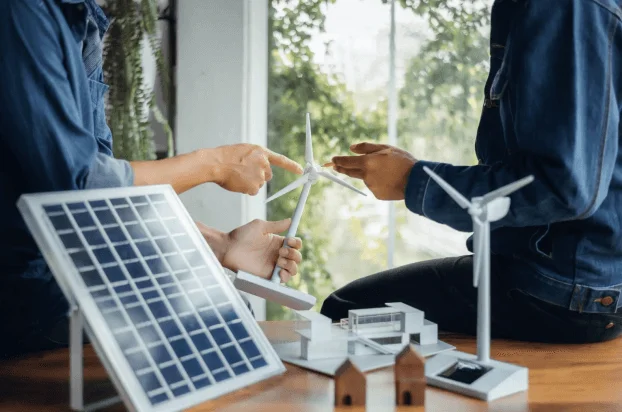
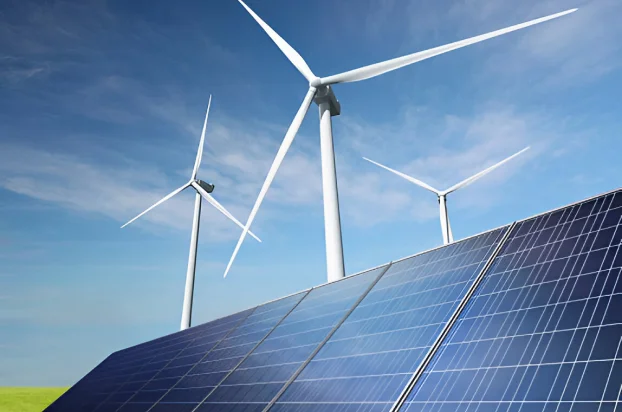
6. Solar-Powered Communities and Microgrids
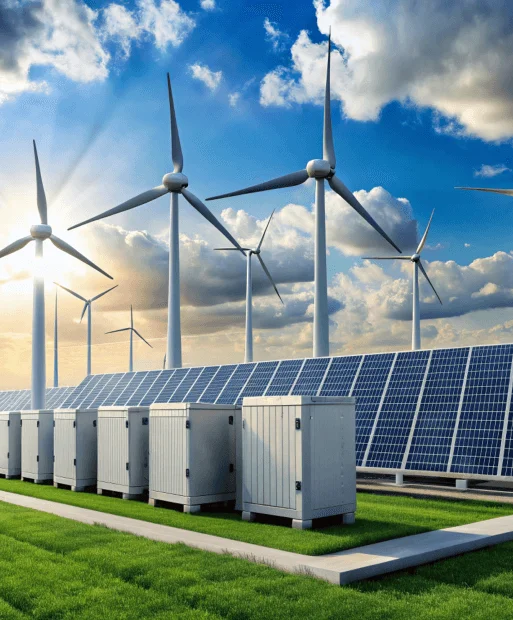
Looking beyond individual homes, the future could see entire neighborhoods or even cities powered by solar microgrids. These localized energy systems, which consist of solar panels, energy storage, and advanced grid management systems, allow communities to generate, store, and distribute their own solar power. By reducing reliance on the centralized grid, microgrids increase energy resilience and promote sustainability at the community level.
These solar-powered communities will be more self-sufficient, reducing the strain on traditional power infrastructure and ensuring a more reliable power supply. In the event of natural disasters or power outages, microgrids can provide backup power, making them a valuable asset for future communities.
7. Solar Panel Recycling and Sustainability
As the adoption of solar panels grows, so does the need for responsible recycling and disposal. The future of solar energy will involve not only the development of more sustainable panels but also the ability to recycle old panels in an environmentally friendly way. Researchers are already working on improving solar panel recycling technologies to recover valuable materials such as silicon, silver, and aluminum.
By recycling solar panels at the end of their lifecycle, we can create a more circular economy for solar technology, minimizing waste and reducing the need for new raw materials. This will make solar energy even more sustainable and help mitigate the environmental impact of panel production.
Conclusion: A Bright Future for Solar Power
The future of home solar panels is undoubtedly exciting, with advancements in efficiency, technology, and affordability making solar energy an increasingly viable option for homeowners. From more efficient materials and better energy storage to the integration of solar into home designs and smart systems, the next generation of solar technology promises to be cleaner, more convenient, and more accessible than ever before.
As we continue to innovate and improve upon solar technology, there’s no doubt that solar energy will play a crucial role in powering homes and businesses in a sustainable, eco-friendly way. The future of home solar panels is bright—literally!


admin